
At Revere High School, the arts are more than electives, they are an important subject to students’ academic and personal growth.
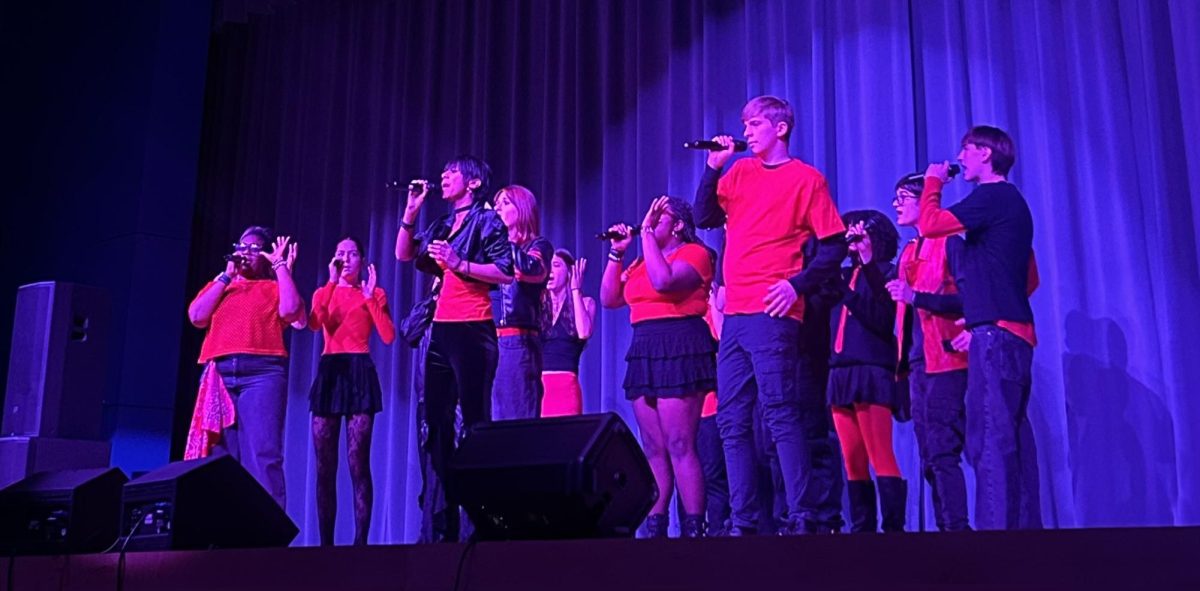
The art program at Revere operates within a broader academic framework, where creative thinking is intertwined with traditional disciplines. Cross-department collaborations are becoming more common, highlighting how art influences areas like English, science, and drama.
English and Drama teacher Joe Susick explained how this connection looks in practice.
“Science and math allow the world to function. They’re required for the world to function. And the arts make that functional world tolerable,” he said.
Art teacher Jennifer Seegert reflected on the challenges and rewards of teaching art.
“Trying to encourage someone when they are distracted by other students or just determined that they can’t do whatever we’re doing—it’s sometimes a little harder to get through those moments, but those are outweighed by the good ones,” she said.
Students frequently apply skills learned in art classes to projects in other subjects.
“They’re all interconnected. I combine art, drama, and English. I mean, my classes are speech-based. A lot of kids think my English class is basically a speech or drama class,” Susick said.
For Seegert, the greatest reward is seeing students discover the joy of art, even if they don’t pursue it professionally.
“I hope that they take away the idea that they found it rewarding in some way and that maybe they’ll do this on their own in the future,” she said.
“That’s really my goal, to get as many people out there doing whatever, law, medicine, nursing, and going home on the weekends painting a watercolor or sketching.”
She continued to see her students’ interests extend beyond the classroom. “When I connect with former students on Facebook or Instagram, it’s so rewarding that some of them are still doing art, even if that’s not their job,” Seegert said.
Counselor Elizabeth Long emphasized the broader benefits of art education in shaping well-rounded students.
“It’s a huge piece of the puzzle,” she said. “When people can tap into multiple different intelligences and components of their brain, it helps with the well-rounded high school experience.”
Long noted that the required fine arts credit exists for a reason—to help students explore creativity in unexpected ways.
“Sometimes people don’t see they have a vision of what it means to be artistic, but then they stretch their minds and tap into something they didn’t realize they had,” Long said.
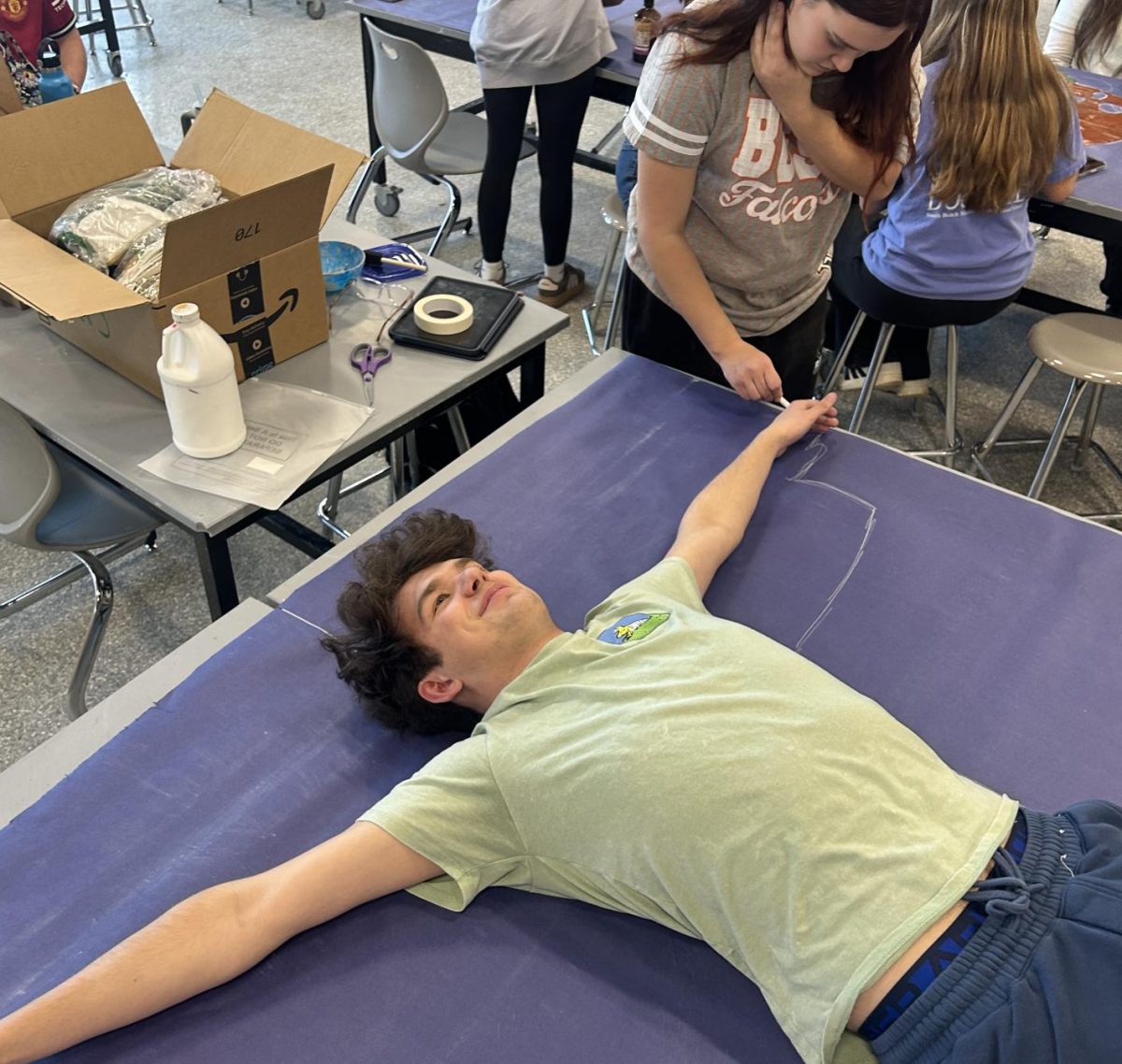
The art room itself plays a key role in connection.
“When you walk into any of the art rooms, you see tables, not individual desks,” Long said. “It invites conversation because of the way it’s set up. You’re working at your own pace but also have the ability to connect with others.”
Seegert’s course offerings, from painting and watercolor to digital art and design—allow students to deepen their passions.
“Mrs. Seegert’s classes are fantastic, she offers advanced studies beyond the basics, so students can take a subject they like and grow in that aspect.” Long said.
Creative expression also boosts academic engagement.
“That creative thinking can be applied in so many different disciplines—directly in the arts, or in English, social studies, or STEM,” Long said.
For Seegert, the ultimate success is knowing her students leave with a lasting appreciation for art.
“If they’re painting or sketching years later, that’s what matters,” she said.
At Revere High School, art remains an essential part of the student experience.